As a kid, I spent a lot of time and energy determined to prove to anyone watching that I, Angelina, was not disabled.
I tried everything.
And I mean everything.
Piano, theatre, soccer, basketball, volleyball, water skiing, snow skiing, horseback riding, ballet... to name a few.
I wanted to prove to myself and to everyone else that I was capable.
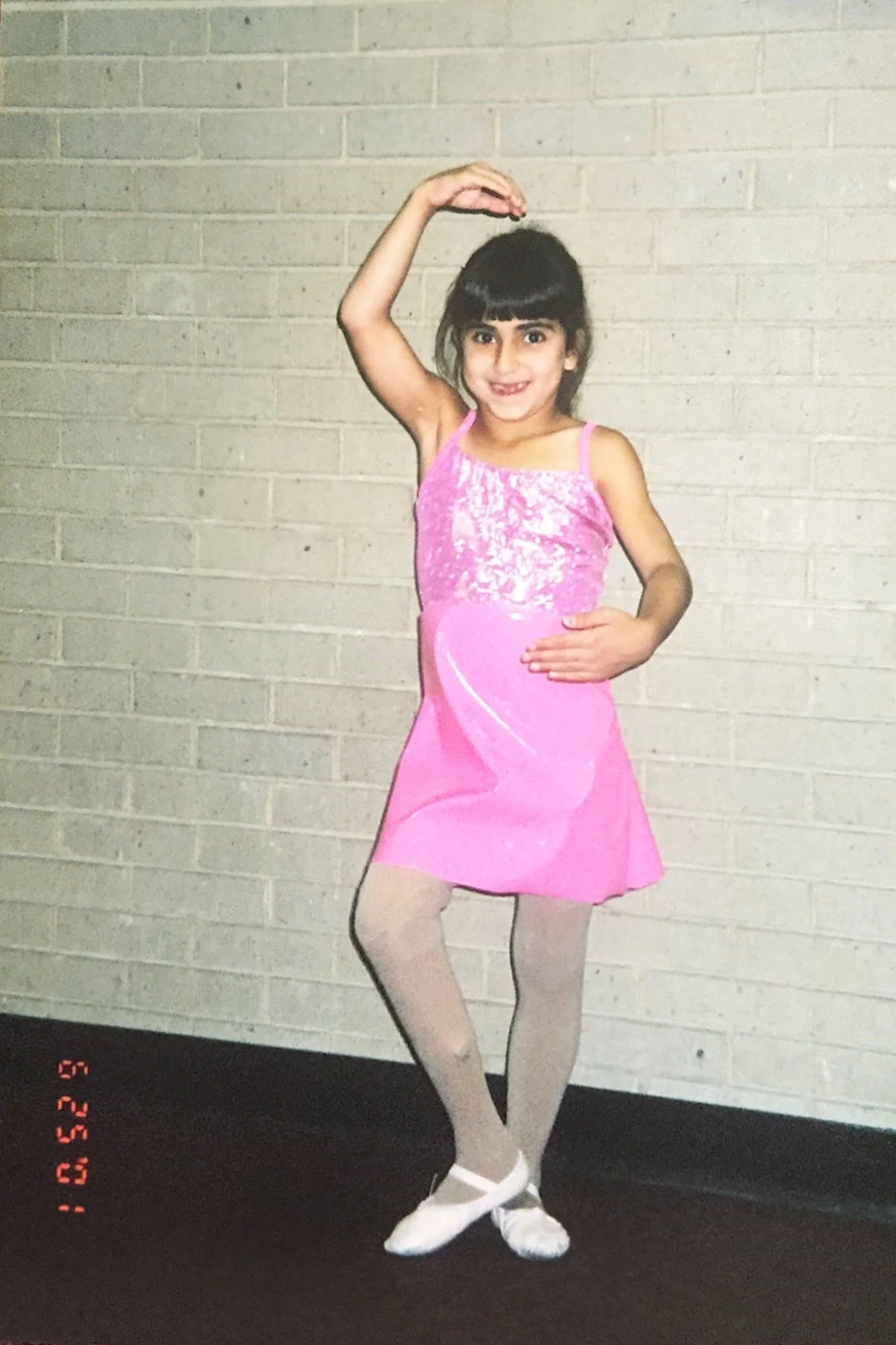
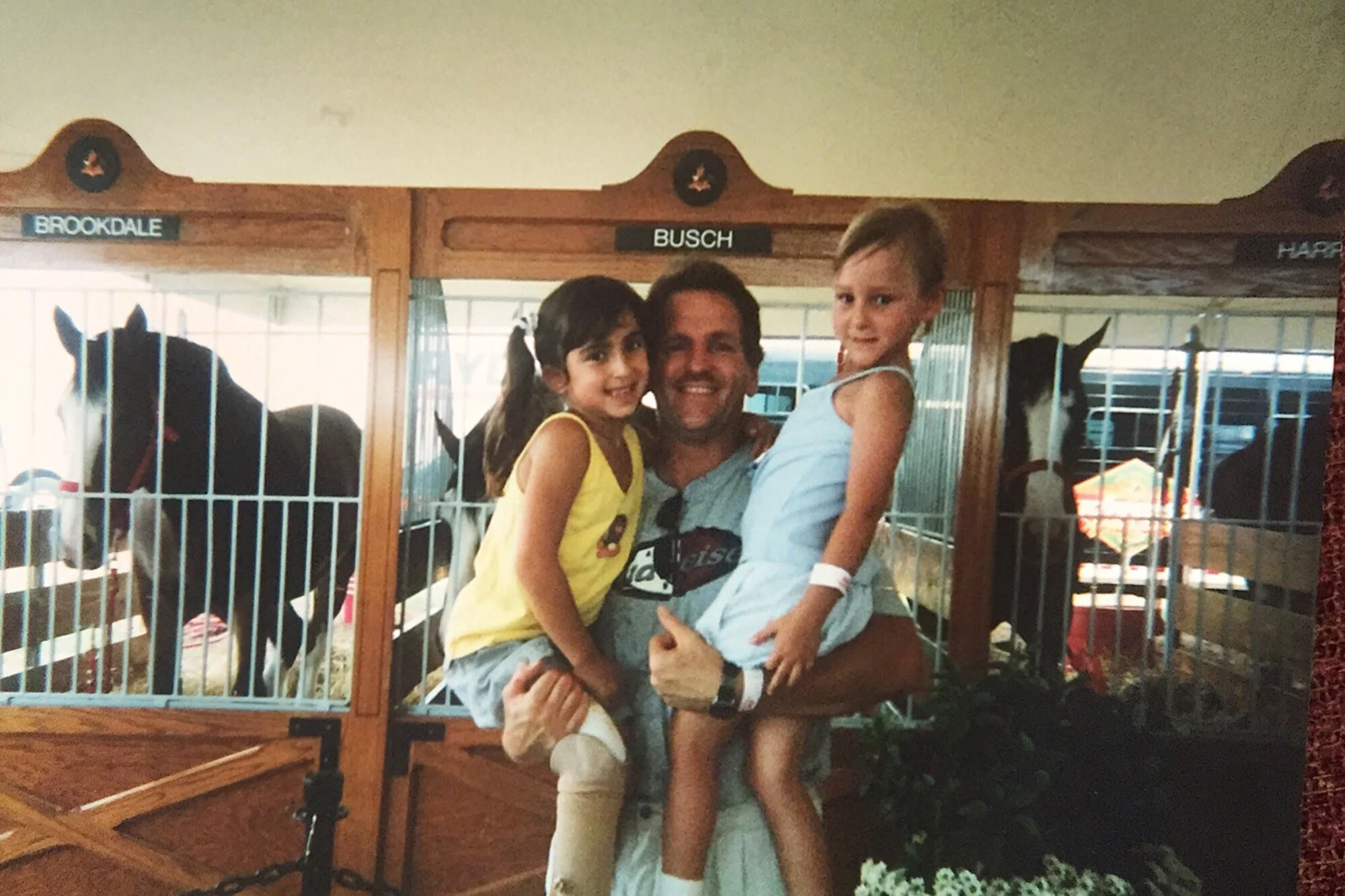
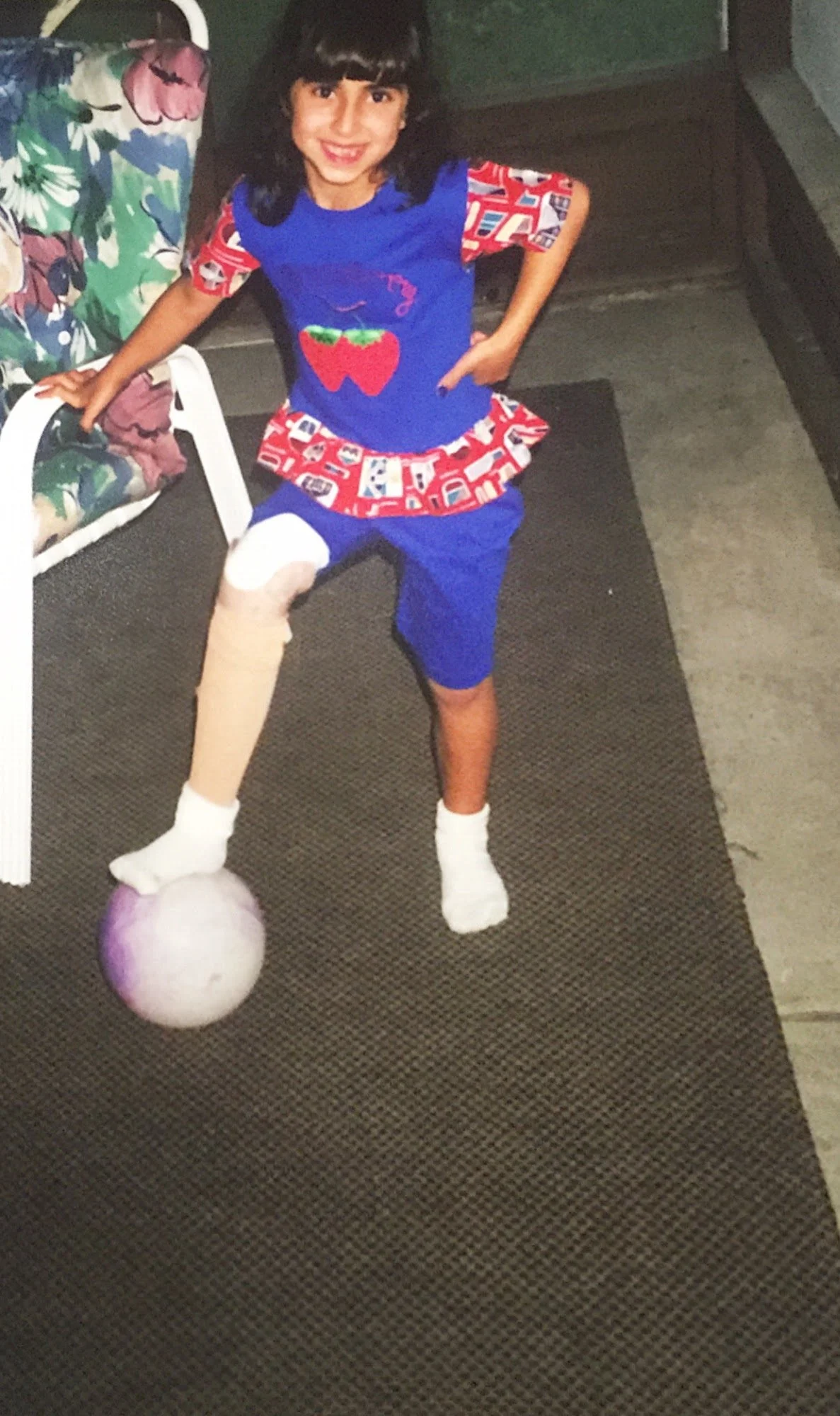
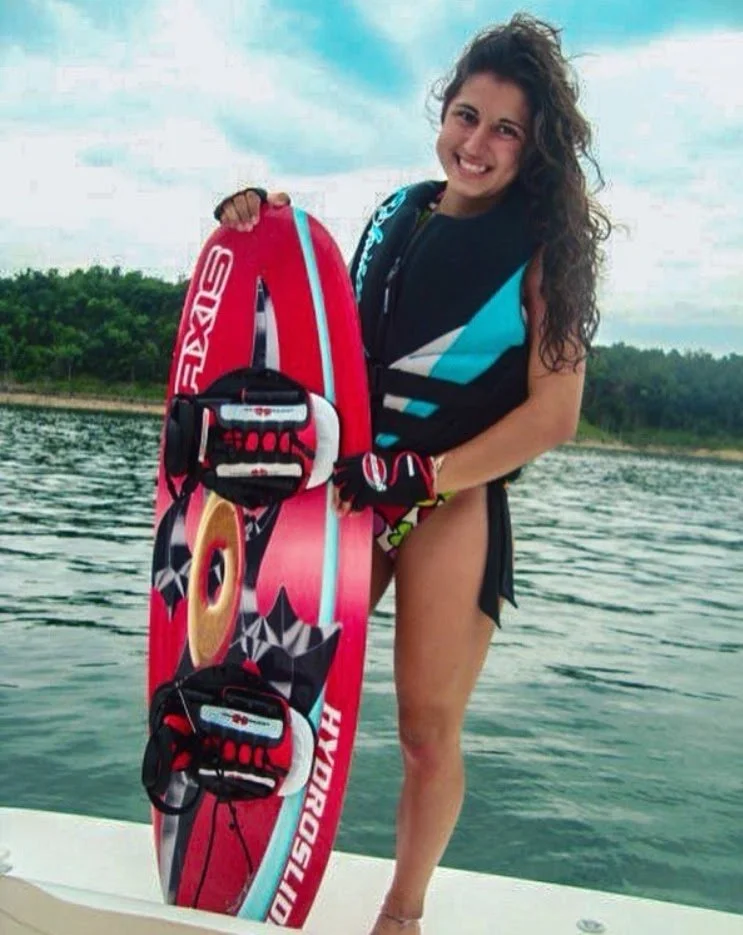
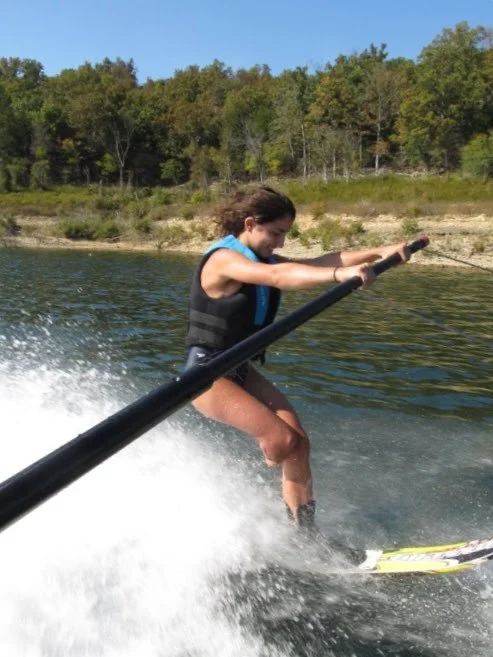
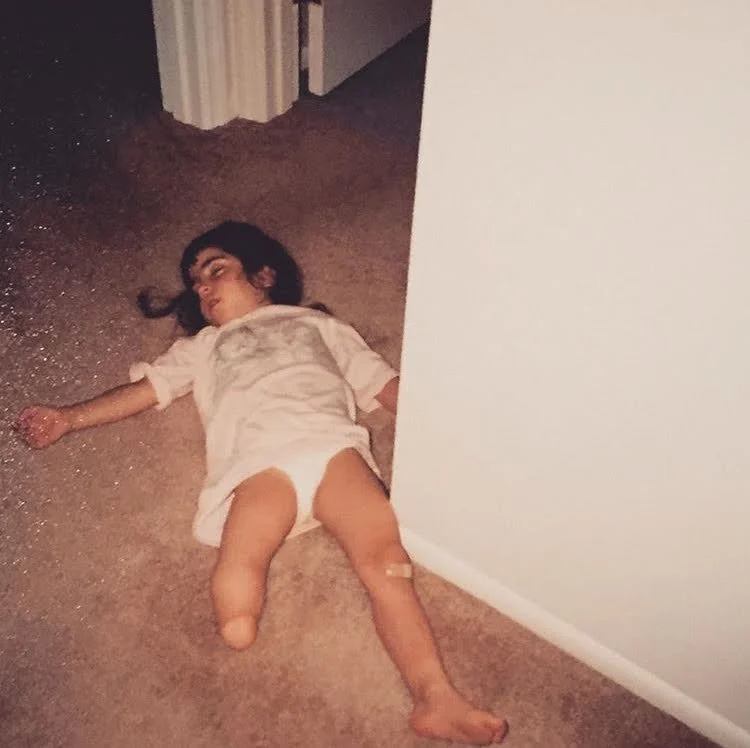
My parents played a huge role
They raised me as a "normal" kid. I had chores. I got in trouble. I had to get good grades and mind my manners. They wanted me to try out for sports, and if something felt exceptionally hard, they taught me not to quit just because it was hard.
Sometimes that meant figuring out a completely ridiculous workaround.
I struggled to keep my prosthesis straight while skiing, so we tied my skis together.
When horseback riding, I kept popping my prosthetic leg off, so we taped a soda bottle cap onto my release button.
I learned to troubleshoot. I learned to adapt.
I learned that if something didn't work for me the way it worked for everyone else, there was probably another way to do it.
And somewhere along the way, I also learned something else:
I wasn't disabled.
At least, that's what I told myself.
Those weren't for me
Growing up, I never used handicap parking spaces or handicap stalls.
Those weren't for me.
I remember some friends in high school saying we should use the handicap line at a theme park because it would get us in faster.
I refused.
It felt like I wasn't disabled "enough."
I had somehow internalized this idea that if I could do something without an accommodation, then I should.
I even learned to drive a vehicle with the gas pedal operated by my right prosthetic foot and the brake operated by my left biological foot.
My parents told me we could get adaptations for the car if I needed them. But first, they wanted me to see if I could drive an unadapted vehicle.
Their reasoning made sense.
What if I was at a party someday and nobody was sober enough to drive me home? What if I needed to drive a friend's car?
This was before Uber, haha.
I needed to have a way home if I needed to drive someone else's car, and chances were that car wasn't going to have any adaptations.
So I figured it out.
Of course I did.
That was kind of my thing.
Then Washington called me disabled
After I graduated college, I moved to Seattle, Washington.
Mind you, I had already been a licensed driver in Missouri, Iowa, and Illinois.
But when I went to get my Washington driver's license, they asked why it didn't state that I was disabled.
My jaw dropped.
Excuse me? I am NOT disabled.
They explained that Washington required people with certain physical disabilities to have that noted on their driver's license.
And they made me retake my driver's test.
I passed.
But I was furious.
I had spent the previous 20-something years of my life warding off that label.
And now someone at the DMV was telling me, essentially, Nope. You are.
It felt like the label had been forced upon me.
I didn't want it.
I didn't identify with it.
And, honestly, I thought using it would mean I was taking advantage of something that wasn't really meant for me.
Then I remembered that I was a broke recent college graduate working in research downtown.
And my new disability designation meant I could park in metered spots for free.
Suddenly, I had a bit of a change of heart.
I couldn't afford not to be disabled. 😂
Maybe being disabled wasn't so bad
At the time, I was also very into hiking and backpacking.
Because my license identified me as disabled, I was able to get a free lifetime National Parks Pass.
Suddenly, this label I had spent decades fighting didn't seem quite so terrible.
In fact, it was kind of useful.
And that was probably the beginning of me realizing that maybe I had been looking at disability all wrong.
I had spent years thinking that using disability accommodations meant I was taking advantage of something that wasn't really meant for me.
But once I actually started using them, I realized there were a lot of things I had been unnecessarily avoiding.
Free parking. National parks. Discounts at museums and other attractions. Travel accommodations.
Suddenly I was thinking, Wait... why have I been making my life harder on purpose? 😂
I actually put together a whole list of some of the free and discounted things available to amputees and people with disabilities:
And yes, I use a lot more of these perks now.
I don't use everything. I use what I need.
I have a handicap parking placard, but I don't use it often.
If I'm having a sore day, though, or my other leg is acting up and walking is difficult, you better believe that placard is coming out.
I also use the handicap line at the airport.
Not because I particularly enjoy getting special treatment, but because spending extra time standing in a long airport line on a travel day can be exhausting.
It also lets TSA know that I'm going to need some additional screening.
And I board the plane early.
Walking down that skinny airplane aisle with bags is difficult enough. Add a crowded plane with people standing in the aisle and bags everywhere, and it doesn't exactly feel like the safest or easiest situation for me.
I'd rather get to my seat while the aisle is clear, get situated, and feel stable and confident before the plane fills up.
That's the thing I eventually had to learn:
Using an accommodation doesn't mean I'm incapable.
It means I'm acknowledging that sometimes I need one.
There is a difference.
Apparently Europe likes disabled people
I've also gotten into a lot of museums and major sites in Europe completely free because I'm disabled.
They really know how to treat disabled people!
Of course, you still have to be able to navigate the cobblestone streets and narrow stairwells. 😂
But that's a story for another day.
I spent a long time trying not to be disabled
Looking back, I don't think my parents were trying to teach me to deny my disability.
They were teaching me that being an amputee didn't get to decide what I was capable of.
And I'm grateful for that.
But somewhere along the way, I took that lesson a little too far.
I thought being capable meant I shouldn't need accommodations.
I thought accepting help meant I wasn't independent.
I thought using something intended for disabled people meant I wasn't disabled "enough."
I don't think that way anymore.
I still want to figure things out. I still love finding ways to make things work. I still want to be capable and independent.
But I've also learned that I don't have to make my life harder just to prove that I can.
I spent the first half of my life trying to prove I wasn't disabled.
Now I'm pretty comfortable admitting that I am.
And honestly?
Life got a lot easier when I stopped trying so hard to prove otherwise.
Life as an amputee is not easy, so why not take a perk here and there. I have a handicap parking placard that I don’t use often, but when I am having a sore day or my only leg is acting up and I can’t walk, it definitely comes out. I use the handicap line at the airport because spending the extra time/energy standing in line on a long travel day is not worth it. This also allows TSA to understand that I am going to need extra screening. I also board the plane first because walking down that skinny aisle with bags is difficult enough. Adding being scrunched in with all the other passengers it does not feel safe. I can get to my seat and feel stable and confident doing so before the plane gets too crowded.
I also got into a lot of museums and major sites in Europe completely free! They really know how to treat the disabled! You just have to be able to walk their cobblestone streets and narrow stairwells.