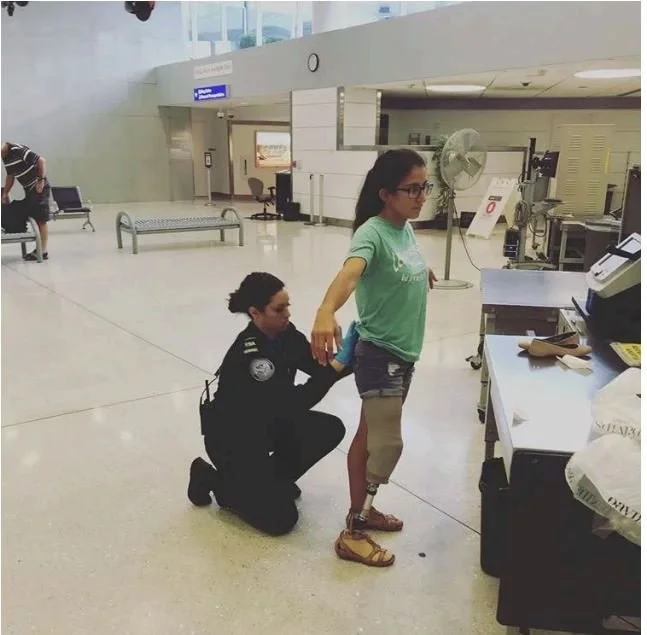
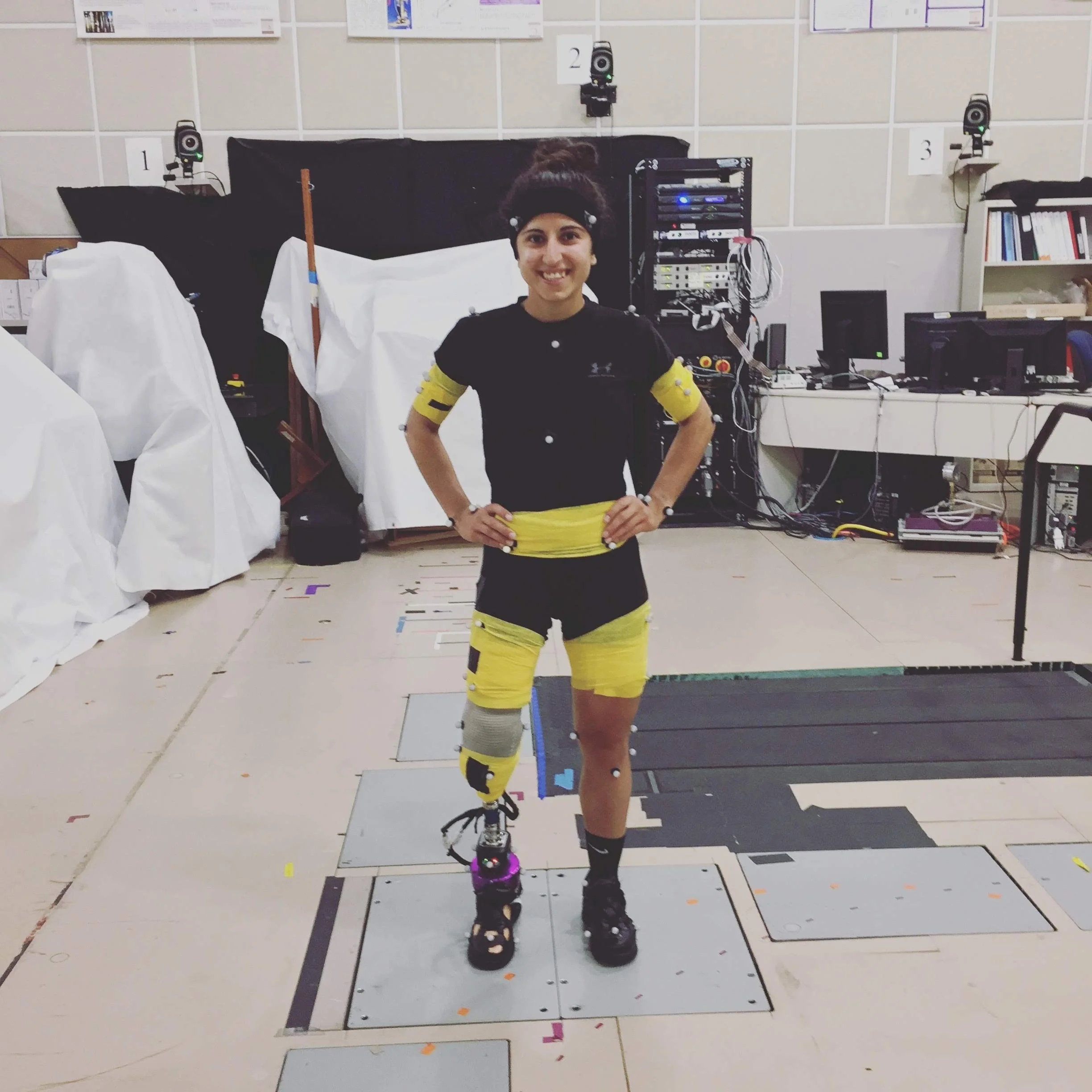
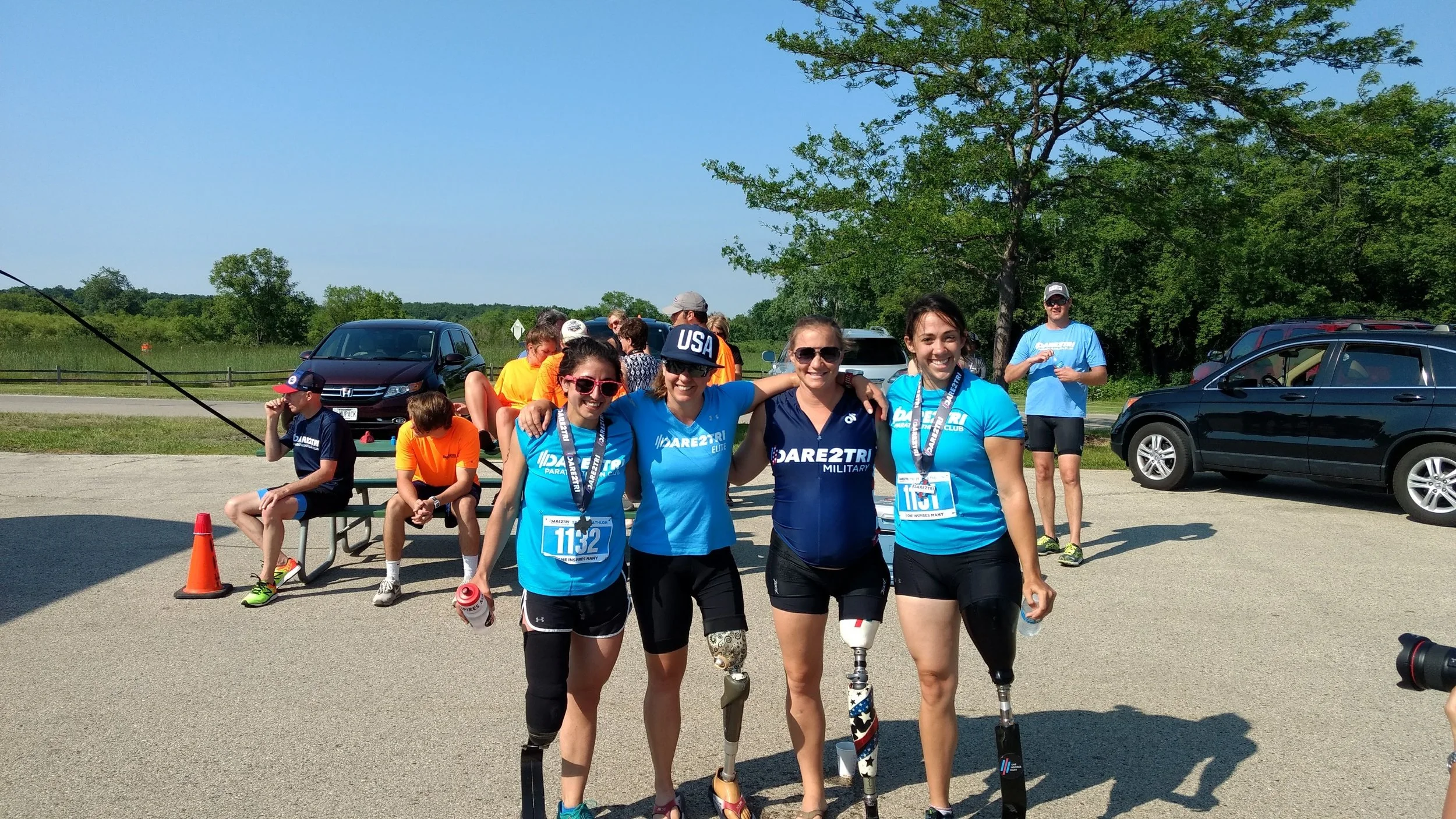
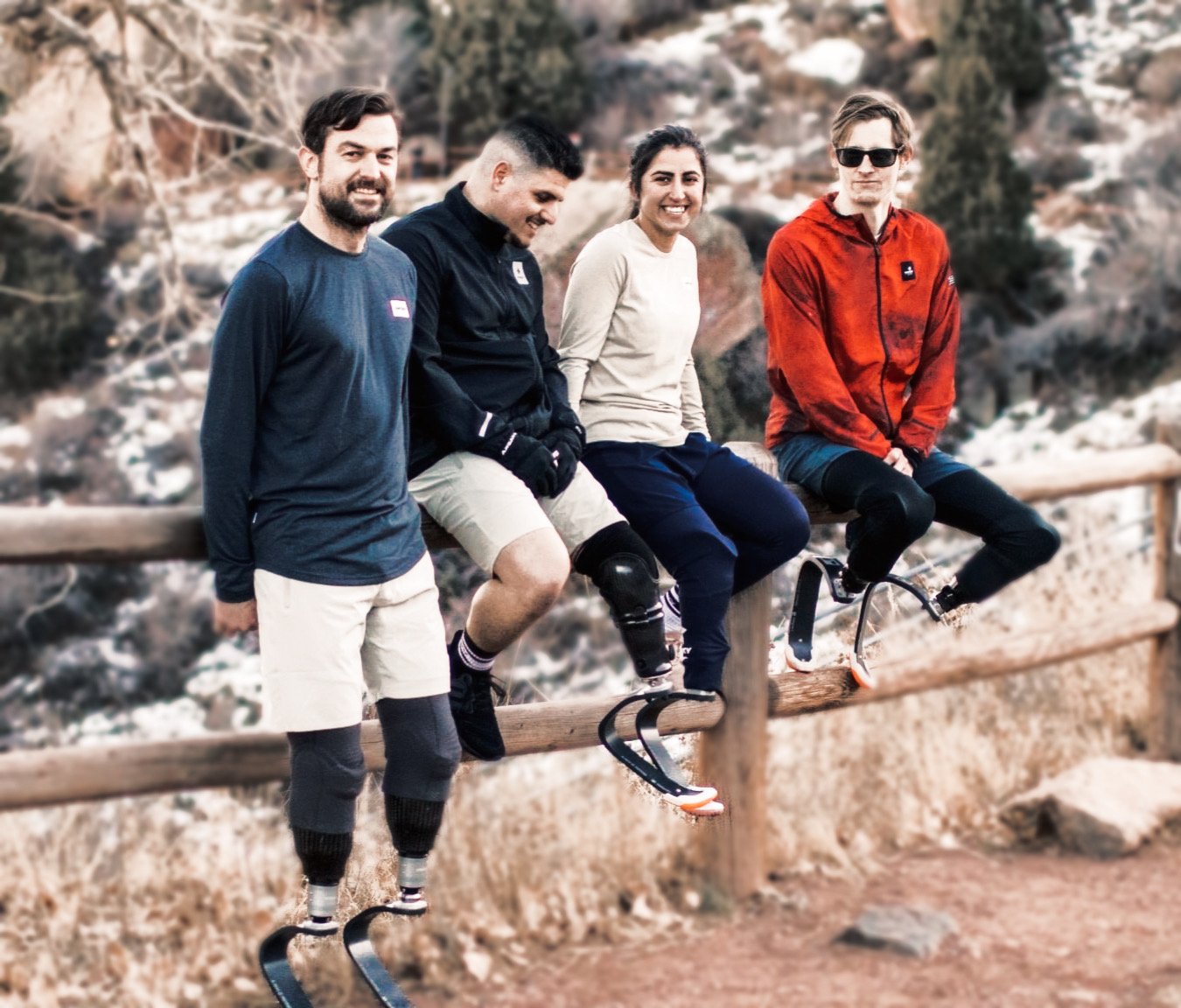
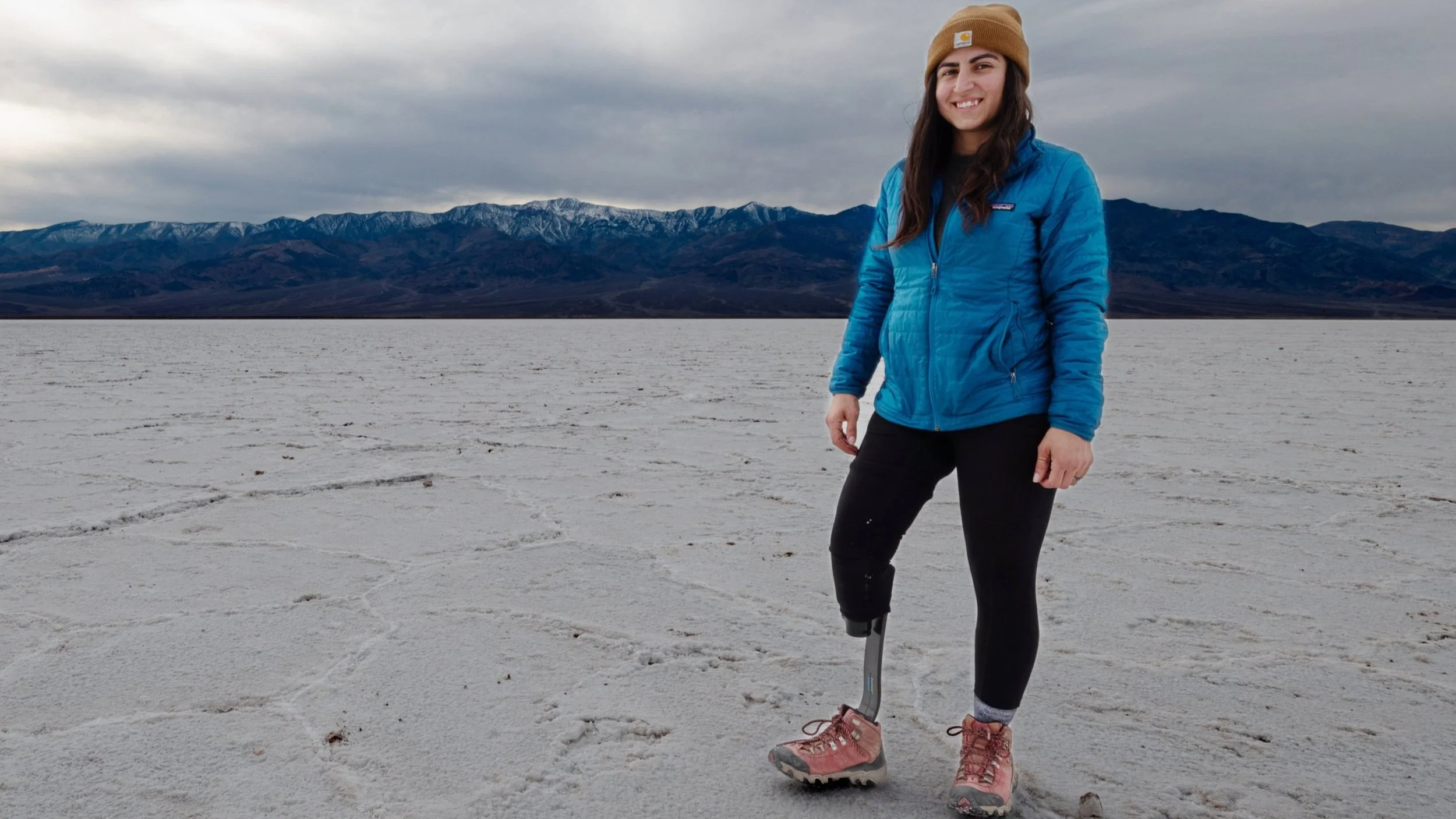
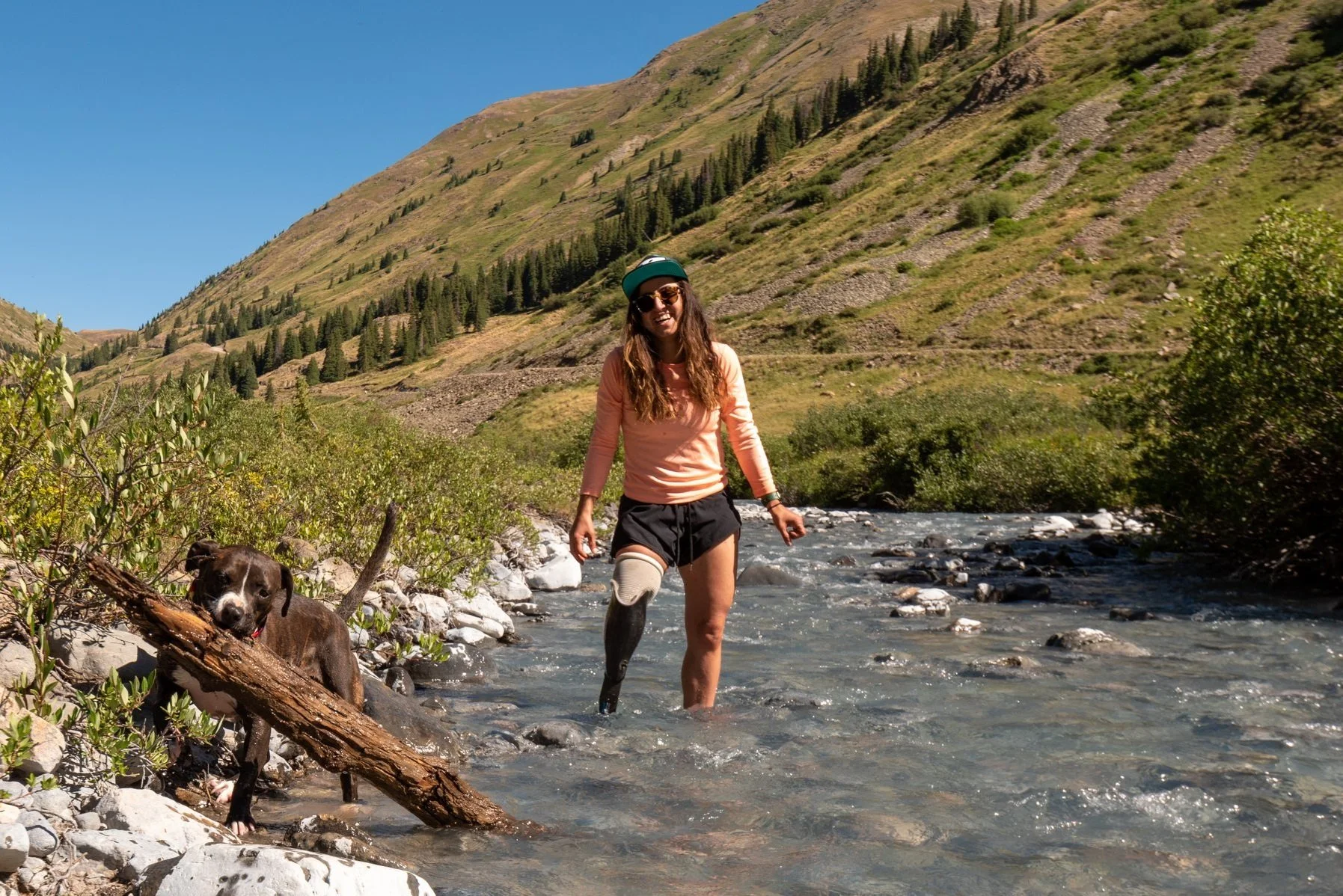
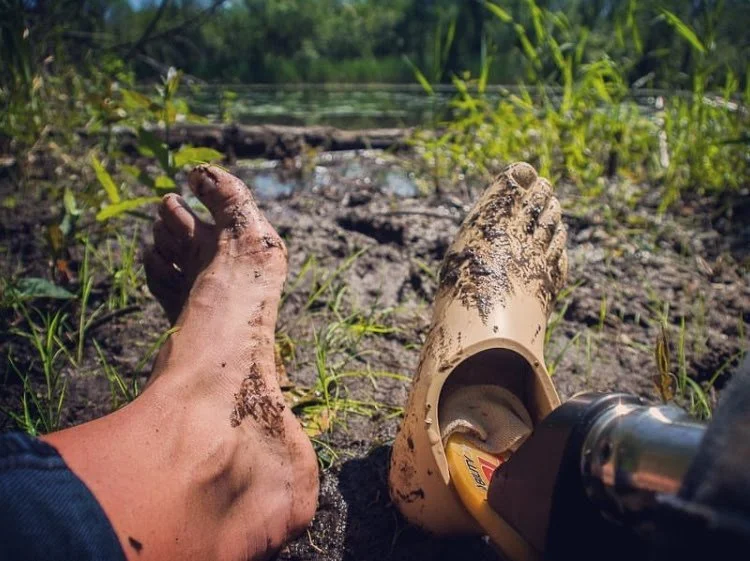
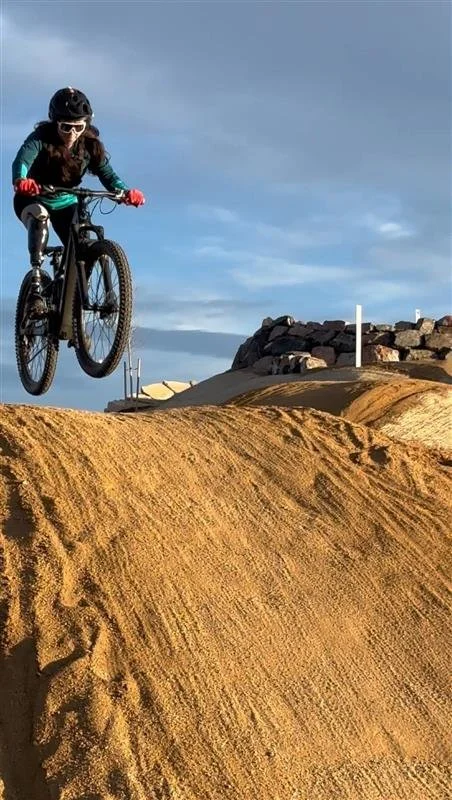
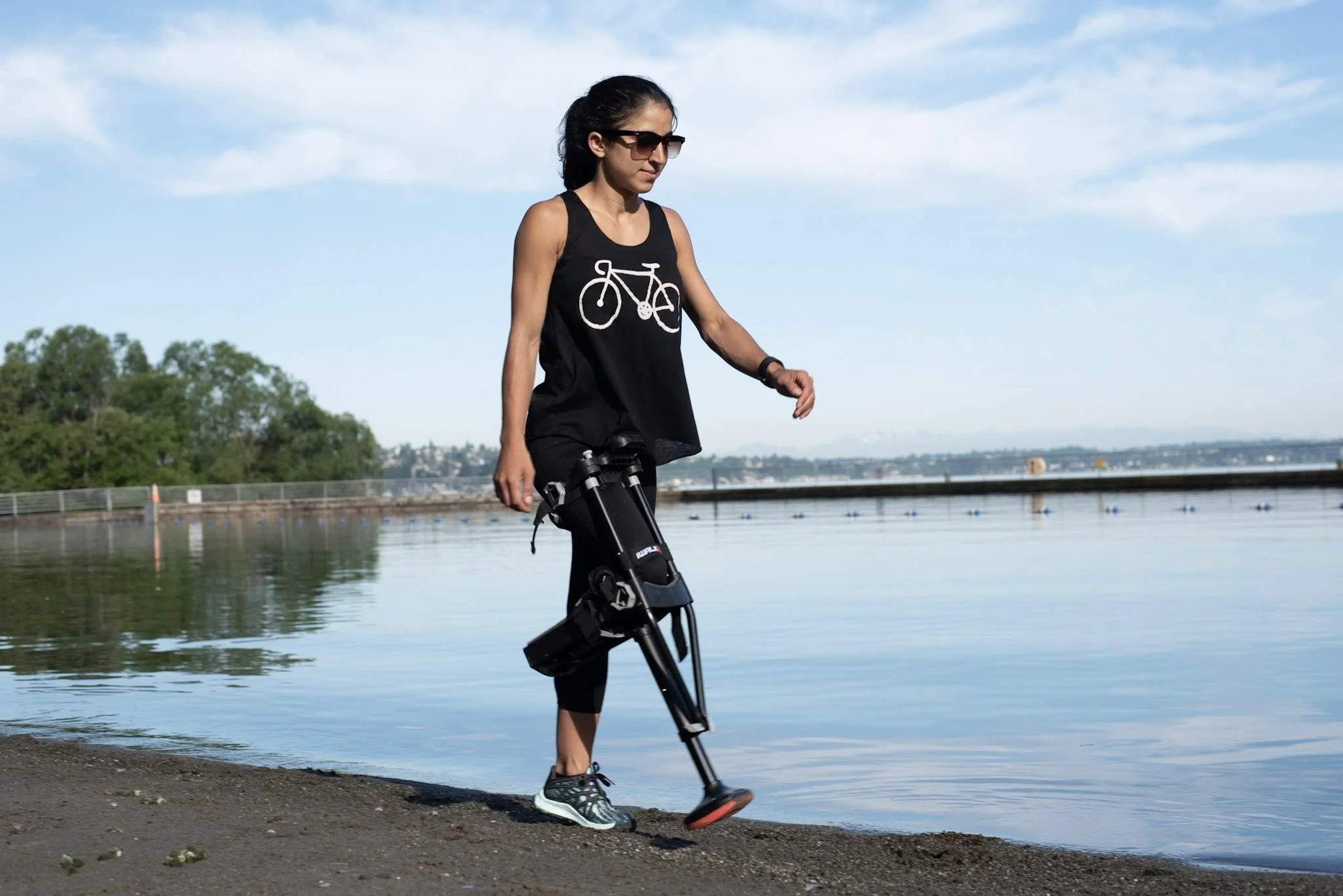
Long story short? I am an amputee.
Here’s the story of Adaptive Amputees.
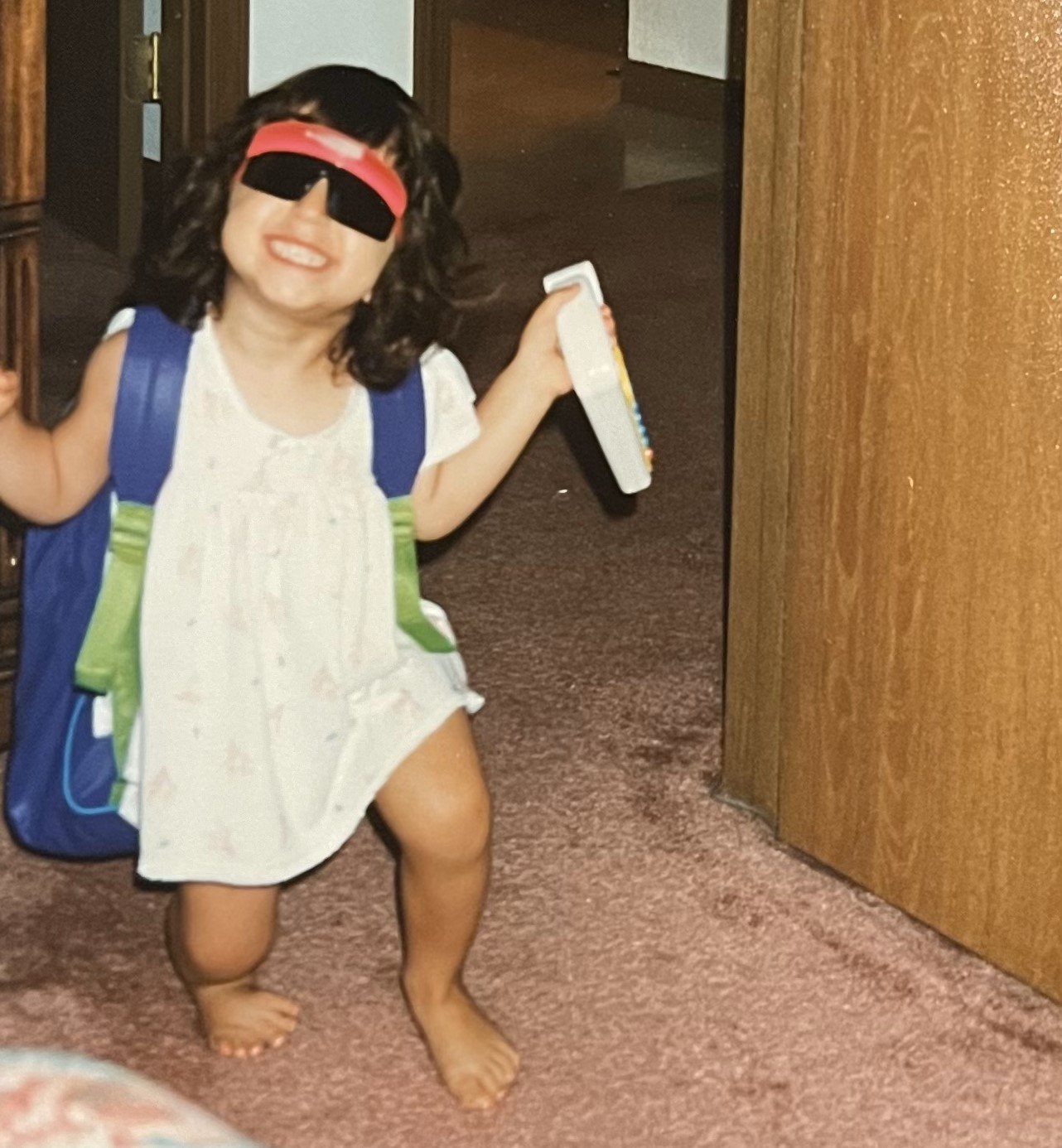
When I first started school, I told the kids “our pet alligator was a bad idea”. That got me sent to the principal’s office.
It was hard as a 5-year-old trying to explain to other 5-year-olds that I was born in another country and given up for adoption because my leg was all wonky. In all honesty, I was born with clubfoot and tibial hemimelia. My right foot was turned in and had seven toes. My tibia wasn’t growing, so my right leg was much shorter than my left.
I was born in Mineralnyvodi, Russia. The doctors told them there was nothing they could do to fix me, and that I would probably die - I had lots of other health issues beyond the very visible leg issue!
They wanted to save me, so they put me in an orphanage and prayed I would get adopted by a family in the United States.
Luckily, there was a young couple on business in Russia at the same time. This couple ended their world travels early to bring me home.
I came to the U.S., became a citizen, had my leg amputated, and had a family again.
Pretty crazy story.
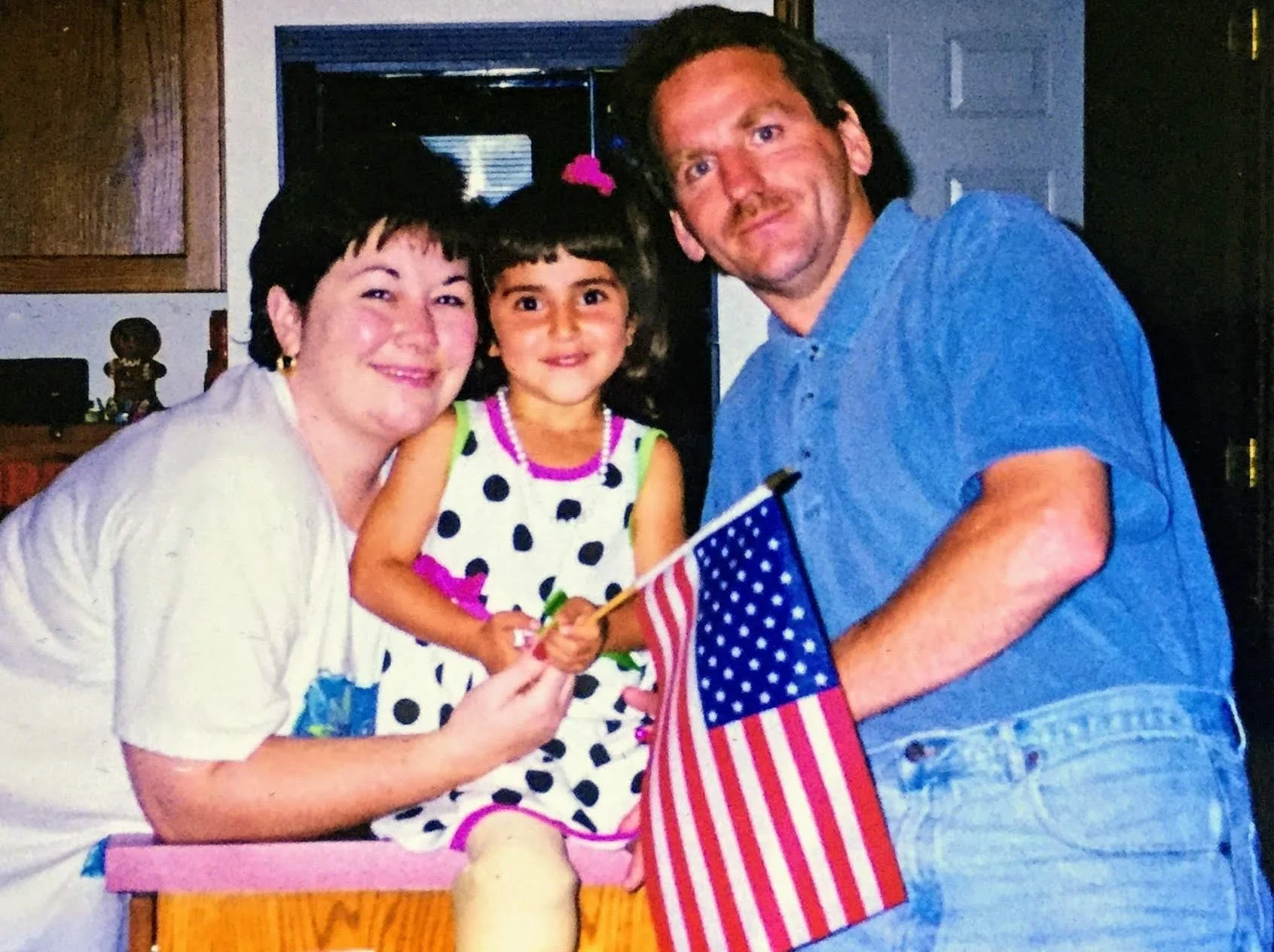
Growing up different (and knowing it)
It wasn’t easy was growing up in a body that looked and moved differently than everyone around me.
Middle school is not exactly known for kindness, and having a limp made me an easy target. I was also about half the size of my classmates, which didn’t help. Thanks malnutrition!
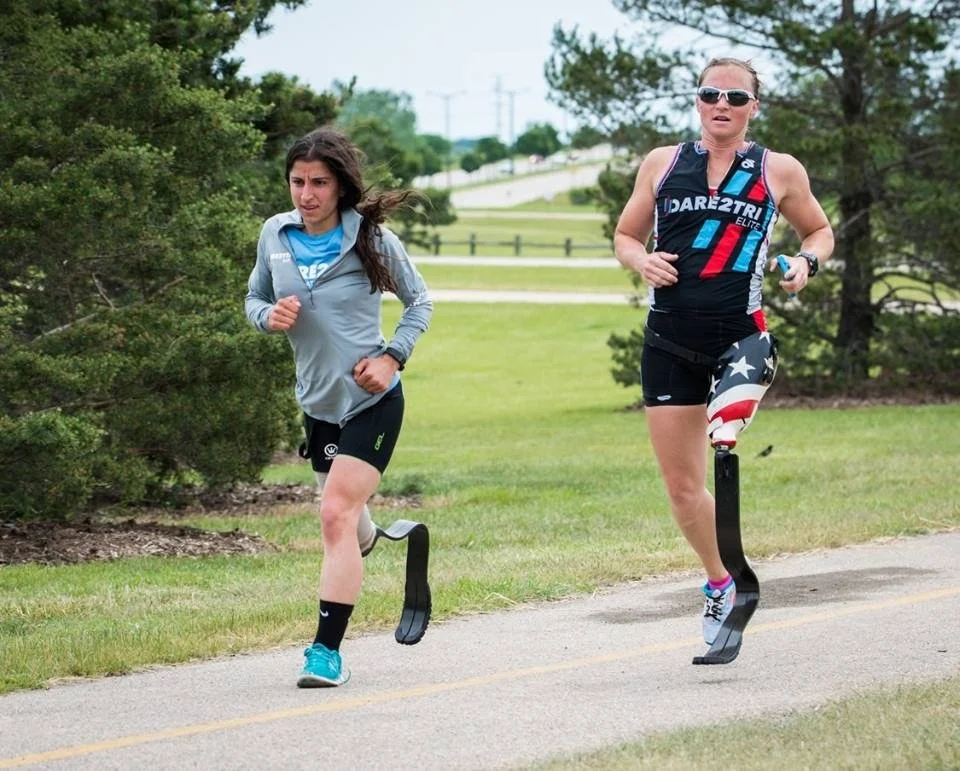
I played sports. I stayed active. I showed up.
But I noticed things.
No one else had a prosthetic leg.
No one else moved like me.
No one else had to think about things the way I did.
On the field, they were faster. In ballet, they were more graceful.
And even when I was surrounded by friends, there were moments where I felt like the only one.
Bullying and what it teaches you
Being bullied for something you can’t change does something to you.
It makes you hyper-aware.
It makes you question yourself.
It can make you want to shrink.
There were definitely times I wished I could just blend in and not have to explain anything to anyone.
But over time, something shifted.
I got tired of feeling like I had to hide or minimize parts of myself just to make other people comfortable.
I didn’t have control over how I was born. But I did have control over how I showed up.
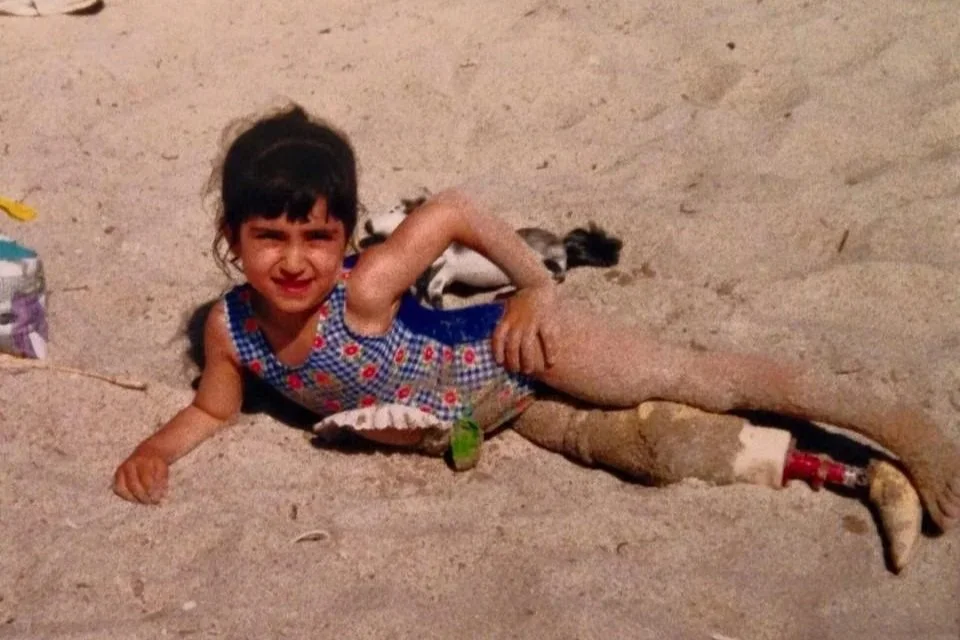
Figuring out my identity
For a long time, I felt like I didn’t fit into any one box.
I was an amputee.
I was adopted.
I was an athlete, but not in the same way as everyone else.
And when you don’t see anyone else like you, it’s easy to feel like you’re the only one figuring it out as you go.
That’s why representation matters more than people realize.
Not just for amputees, but for anyone who has ever felt different.
Sometimes all it takes is seeing one person who looks like you, moves like you, or shares even a small part of your story to feel a little less alone.
Starting something bigger than me
In high school, I was part of a leadership program that required a project that would make a difference.
A lot of students paired up for volunteer projects.
I didn’t.
I decided to start an organization focused on amputee awareness.
After years of being bullied for being different, I wanted to become the voice I didn’t have growing up. Not just for me, but for other kids who felt the same way.
I started speaking at schools around St. Louis and sharing my story.
Not the perfect version. The real version.
What it felt like. What it looked like. What people didn’t always see.
The moment that changed everything
At the end of one of my talks, a little girl came up to me.
She told me that she finally felt proud to be adopted.
She had never met anyone else who was adopted before, and she had always felt alone.
That moment stuck with me.
Because I wasn’t even talking about adoption as the main focus. I was just sharing my story.
And somehow, she found herself in it.
What advocacy really looks like
That experience changed how I think about advocacy.
It’s not always about reaching thousands of people.
Sometimes it’s about one person hearing exactly what they needed, at the exact right time.
Sometimes it’s about being visible in a way that lets someone else feel seen.
Adaptive Amputees started as a school project.
But the mission behind it has always been bigger than that.
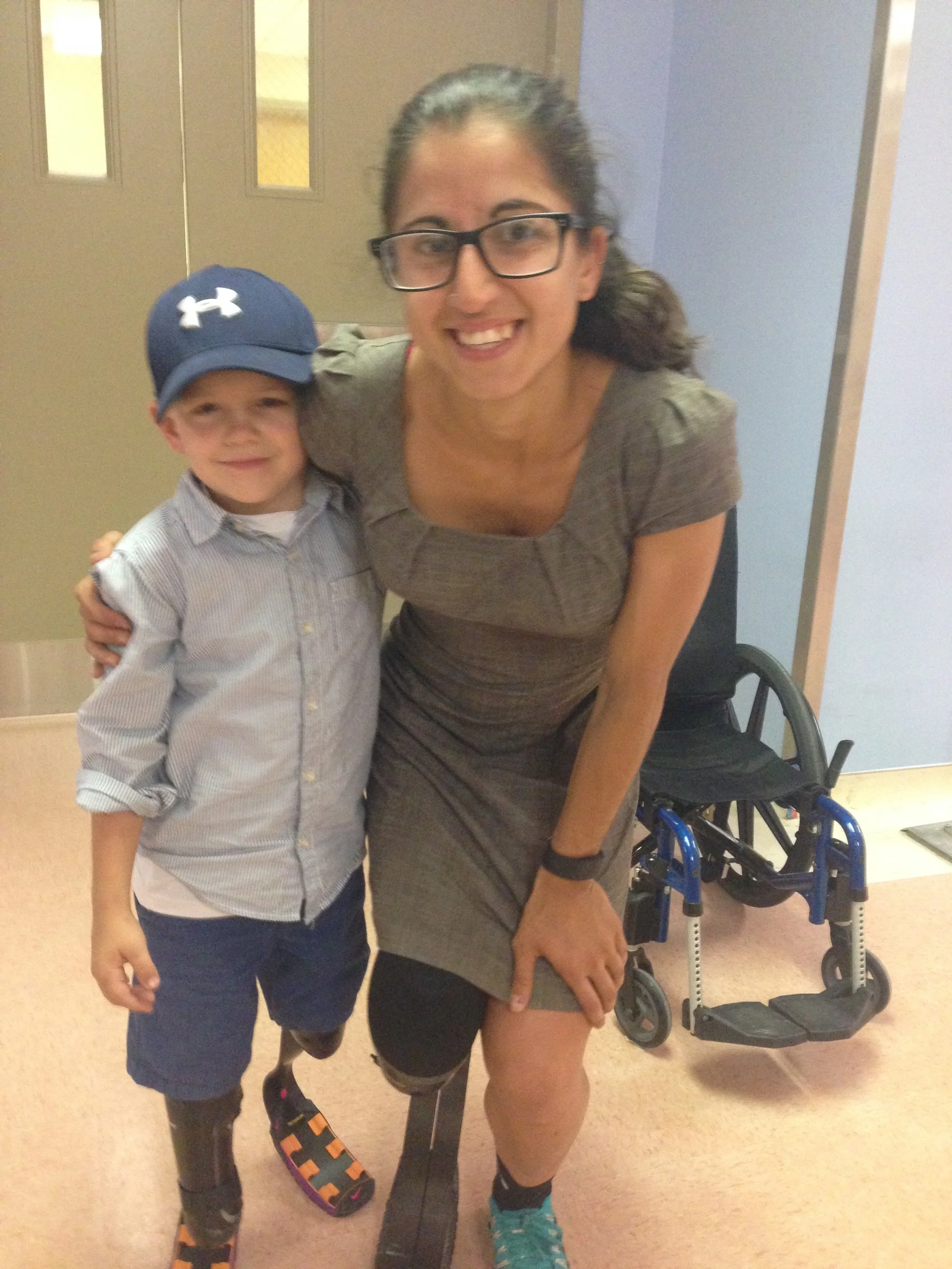
Meeting with a young bilateral amputee to show him how fun running blades can be! He totally smoked me in a race later!
Lessons I carry with me
You don’t have to have everything figured out to start something meaningful.
Your story doesn’t have to be perfect to make an impact.
And you never really know who is listening or how your words might land.
If changing one child’s perspective is possible, then that impact can ripple further than we ever realize.
And if sharing my experience helps even one person feel less alone in theirs, it’s worth it every single time.